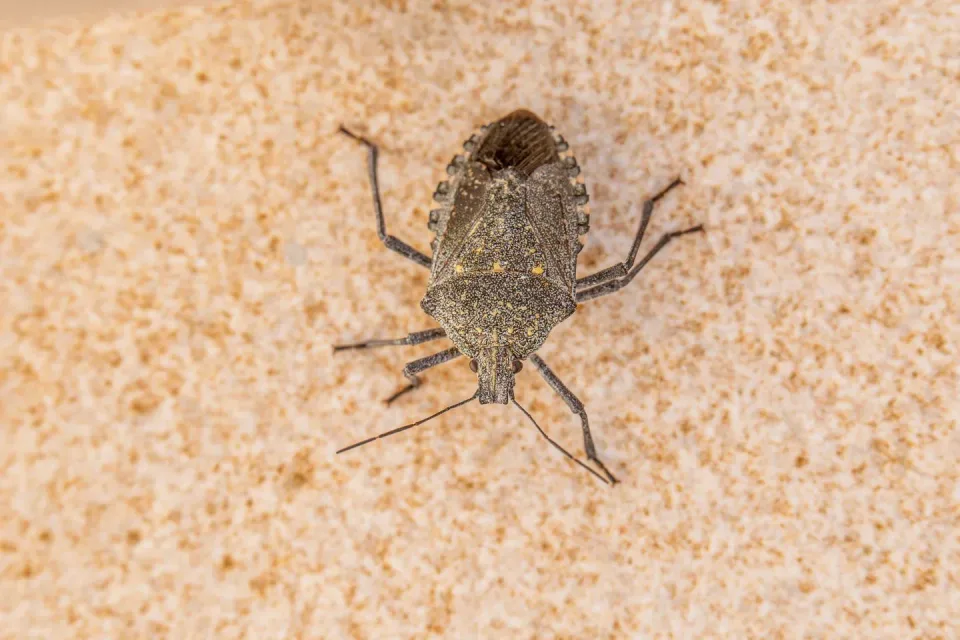
General Pest Control · Charleston, WV
General Pest Control in Charleston, WV for Stink Bugs, Yellow Jackets & Pantry Pests
Charleston’s older masonry and riverfront properties need pest work matched to the building, not a blanket spray. In Forest Hills and East Side, our crew inspects entry points, moisture, and places pests can hide before recommending treatment.
- Serving since 2016
- West Virginia pesticide applicator certification for applicable pest-control work
- Commercial general liability insurance
- National Pest Management Association membership
- Serving since 2016
- West Virginia pesticide applicator certification for applicable pest-control work
- Commercial general liability insurance
- National Pest Management Association membership
Leaf litter and wet mulch can shelter insects beside foundations; pulling mulch back from siding and clearing leaves helps reduce those hiding places. Near the West Virginia State Capitol and West Virginia State Museum, Charleston’s familiar landmarks also give our team clear reference points when coordinating local visits. We identify the pest first. Our General Pest Control work can address ants, roaches, spiders, and rodents with targeted applications and practical exclusion recommendations. If you notice a mouse problem, we check likely access points and explain what we find rather than treating without a clear reason. That is how we aim for mouse-free vibes in Charleston homes: careful inspection, useful advice, and treatment suited to the property. Call (877) 729-2528 to discuss a Charleston property or schedule an inspection. We’ll explain the next step plainly.
Who Handles General Pest Control in Charleston, WV?
Damp basements can support silverfish and centipedes, so our team checks lower-level moisture and harborage instead of treating every room the same. Four distinct seasons mean pest activity and access conditions change through the year.
Humid summers can raise indoor moisture and insect activity, while snow and ice may limit exterior service access; we plan visits around conditions at the property. We also account for valley temperature inversions when assessing site conditions.
WestVirginia Pest Solutions has served Charleston for more than 10 years. Our team schedules local visits, inspects the affected areas, identifies pests, and explains the treatment and preparation needed. You’ll know what we found and what to do next.
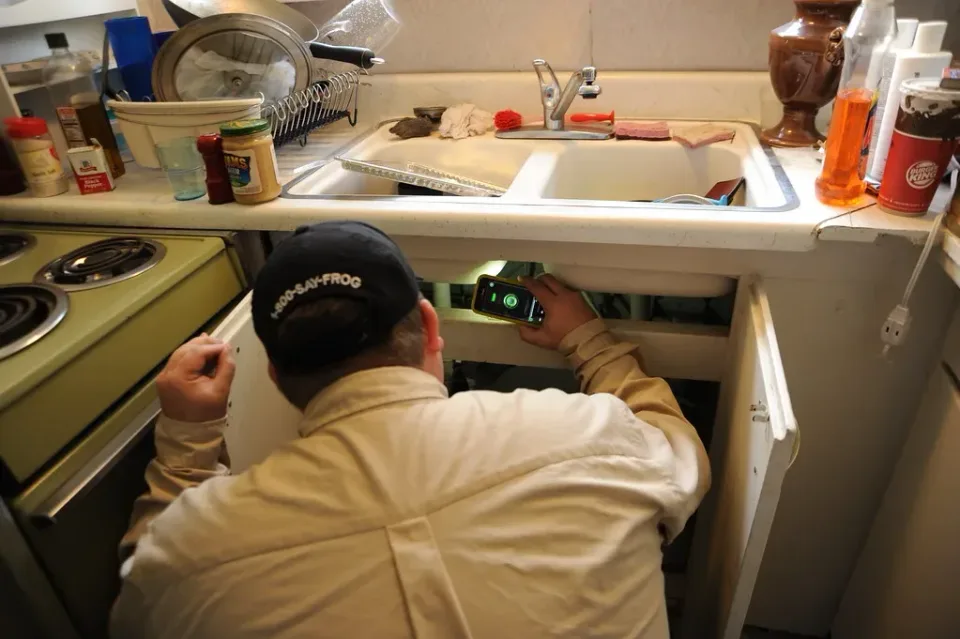
How We Handle Charleston Pest Problems
Warm-season thunderstorms can also move pests into sheltered spaces, so our team looks for fresh activity and likely entry points. Seasonal temperature swings affect when exterior products can be applied, and we follow each product’s label.
We start with inspection and pest identification, then match treatment to the finding. If ants are crossing a kitchen counter, check for an open food container and note where the trail begins; we trace activity and target the route or harborage.
For roaches appearing after dark, our crew inspects likely hiding areas and explains what to correct. Charleston service coverage includes ZIP codes 25387, 25305, 25304, 25303, 25302, 25301, 25311, 25314, 25317, 25321, 25322, 25323, 25324, 25325, 25326, 25327, 25328, 25329, 25330, 25331, 25332, 25333, 25334, 25335, 25336, 25337, 25338, 25339, 25350, 25364, 25375, 25392, and 25396.
Rain-Saturated Foundations Need a Careful Check
Frequent rainfall can saturate soil around Charleston foundations, increasing the chance that pests find damp conditions or openings near the structure. Check for standing water and visible gaps from a safe distance; don’t seal an opening until you know whether insects or animals are using it. Our crew inspects the foundation and nearby harborage before choosing a treatment.
For pesticide questions, the National Pesticide Information Center offers product-safety information; our technicians also follow the EPA pesticide product label, which specifies where and how a product may be used. General pest control should address the pest and site conditions together, not rely on repeated broad application. We explain our findings and the treatment plan before work begins.
Which Charleston Neighborhoods Do We Serve?
Our Charleston service includes Forest Hills, East Side, South Hills, South Ruffner, Fort Hill, and Loudon Heights. Each visit is planned around the property and the reported pest, rather than assuming every neighborhood has the same access or building layout.
In Forest Hills, we inspect the areas the customer identifies and check for activity near the home’s entry points. In East Side, our team can investigate signs such as droppings in a cabinet and explain how to reduce access to food.
South Hills customers can show us where pests are appearing so we can focus the inspection. In South Ruffner, we check the reported room and nearby harborage before selecting a treatment.
Fort Hill visits follow the same careful identification process. For Loudon Heights properties, we coordinate access and review the findings with the owner.
Winter freezes encourage rodents to seek indoor shelter, so check around accessible door edges for visible gaps. Ask us for residential pest control quotes in Charleston; we’ll base recommendations on the pest and property. A useful quote starts with the details, not a guess at “affordable pest control near me.”
Why us
Local General Pest Control in Charleston, WV
Get a clear inspection and a plan based on the conditions around your home.
Local Home Knowledge
Our Charleston roots bring familiarity with older homes, basements, and river-valley humidity. That context helps technicians inspect affected areas and explain what they find before discussing treatment.
Scope Agreed First
A technician confirms pest identity and activity, then discusses treatment and follow-up with you before work begins. You can understand the proposed scope and ask questions before deciding how to proceed.
Clear Scheduling
You can discuss timing and access needs with the team when arranging service.
Our process
How a visit works
The visit begins with your concerns and ends with findings and follow-up guidance.
Discuss The Concern
Tell the team what you have noticed and where activity appears. They coordinate an appointment and explain any access details to consider, so you know what to expect for the inspection.
Inspect Affected Areas
A technician checks the areas you identify and confirms pest identity and activity. Findings and device locations are recorded, giving you a clear account of what the inspection shows.
Treat And Advise
If you proceed, the technician follows product label directions and protects food, dishes, and pet bowls. You receive guidance on keeping people and pets away as the label directs, plus follow-up information.
Warning signs
Early Signs To Notice
Discarded Insect Wings
Discarded insect wings are a sign to inspect nearby windowsills and entry points. Note where they appear and whether you see them repeatedly; location and pattern can help a technician assess what is active.
Small Holes In Packaging
Small holes in food packaging can indicate unwanted pest activity in a pantry. Check nearby stored goods for additional damage and keep the affected items separate while noting where the signs appear.
Fine Material Near Wood
Fine material collecting near wooden trim or furniture can signal pest activity worth checking. Look for nearby damage and record the location, since a visible clue alone may not identify the pest.
Repeated Insect Sightings
Repeated sightings in the same area can be an early sign of activity nearby. Notice where and when you see insects, and whether they gather around a particular opening, light, or stored item.
Through the year
General Pest Control Throughout The Year
Spring
An inspection can check entry points and affected areas, helping you address concerns before outdoor activity increases.
Summer
Humid subtropical heat and river-valley moisture can shape pest activity around homes. A service visit can assess current signs and conditions, giving you a practical treatment discussion even when activity is mainly outdoors.
Fall
As temperatures change, pests may seek sheltered spaces in houses and basements. An inspection can look at areas of concern and possible access points, helping you discuss a suitable plan before colder weather settles in.
Winter
Mild-to-cold weather and occasional Ohio Valley snow can make indoor shelter more appealing to pests. A technician can inspect reported activity inside and discuss treatment and follow-up suited to the conditions found.
Before you hire
Questions To Ask Before Hiring
What credentials apply to this pest-control work?
Ask whether the work requires a state pesticide applicator credential and who will perform it.
What access or preparation is needed?
Ask whether technicians need access to particular rooms, storage areas, or other parts of the property. Also discuss food, dishes, and pet bowls, along with how long people and pets must stay away as the product label directs.
Are there contract or follow-up terms?
Ask whether the service involves a written agreement, repeat visits, or specific follow-up terms, and request those details before work begins. Understanding the arrangement helps you know what is included and what may require a separate discussion.
Ready to get started?
Call to talk through your job in Charleston.
10+
Years serving Charleston
52
Areas served
General Pest Control FAQs in Charleston, WV
Straight answers for customers in Charleston on pricing, delivery, and scheduling.
What should I do if I find mouse droppings in a Charleston kitchen cabinet?
Avoid disturbing the droppings, secure exposed food, and note where you found them. Our team can inspect the cabinet area and nearby entry points, then explain suitable monitoring or exclusion steps. In East Side, as elsewhere in Charleston, the property inspection guides the recommendation.
Do Charleston pest treatments depend on the weather?
Yes. Weather and site conditions can affect exterior treatment timing and access. Our team checks conditions at the property and follows the pesticide product label when planning an application.
ZIP Codes We Serve in Charleston, WV
General Pest Control covers every ZIP code in Charleston, WV.
Meet Your Local Experts
Daniel Harper Lead Expert
WestVirginia Pest Solutions
"Practical Protection From Common Pests"
I started in pest control in the Charleston area, learning how older homes, basements, and changing river-valley weather can shape pest problems. I built this company to give West Virginia homeowners clear inspections and treatments suited to the conditions they actually face.
Get a General Pest Control Quote in Charleston, WV
Share job details below or call our team directly. Phone: (877) 729-2528
Service Areas Within 30 Miles of Charleston
General Pest Control is also available in these nearby communities.