Where Do Charleston Kitchen Ant Trails Start?
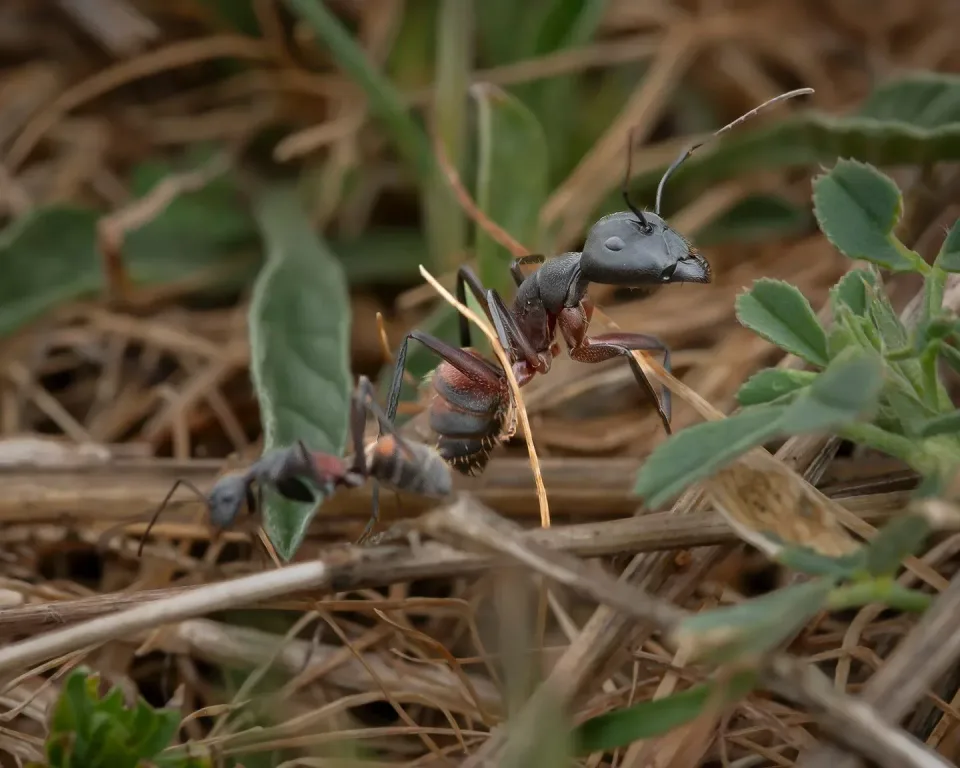
Ants crossing a Charleston kitchen counter usually follow a scent trail between food and a hidden route indoors. Follow the line before wiping it away, then check where ants disappear at a window, pipe, cabinet seam, or baseboard. On Capitol Street, Charleston, older buildings can have small gaps where trim meets a wall; inspect those seams rather than spraying the whole counter.
A homeowner hoping to get somebody out for ants may be trying to stop food contamination and repeated cleanup, so record where the trail begins and ends before arranging service. Someone who just wants the problem handled should still ask what the inspection found and what treatment is planned.
We at WestVirginia Pest Solutions trace activity and explain the likely entry route before recommending a targeted next step.
What does a Charleston Town Center ant trail reveal?
A line of ants is a route, not a map of the nest. Watch it from a short distance and note where workers appear, where they turn, and where they vanish.
Check the counter edge, backsplash, cabinet joints, window trim, and plumbing openings. Avoid crushing the line or cleaning it before you have observed it; that can erase the route you need to follow. A quick phone photo can preserve its direction.
Charleston Town Center is a familiar local reference, but the same kitchen clues matter in homes across the city: crumbs, sticky residue, pet food, and moisture can keep a trail active. Frequent rainfall can saturate soil around foundations, making damp exterior conditions worth checking near the wall closest to the activity. Dry spills, seal food, and repair leaks, but do not assume that housekeeping alone has removed a colony or its entry route.
Can you trace the entry point without spraying?
Yes. Follow the workers toward the point where they disappear, then inspect the adjacent seam without disturbing it.
A useful field check is to look for repeated traffic at the same opening, not just one wandering ant. Small gaps around a pipe or window frame may connect an indoor trail to an exterior route, while ants can also emerge from wall or cabinet voids.
Do not apply a household spray directly over a bait location; it can interfere with ants reaching the bait.
Coonskin Park, Charleston, offers a local reminder that vegetation and outdoor conditions are part of the setting around town. If a route appears near the foundation, note nearby plant contact and the wall location rather than treating landscaping as proof of a nest.
At Kanawha State Forest, seasonal conditions change through the year; in a home, seasonal temperature swings can affect when an exterior treatment is appropriate. We inspect the active trail, identify the ant when possible, and choose treatment based on the evidence rather than a guess.
When should you call an ant-control professional?
Try basic cleanup and observation first if the activity is limited, the source is visible, and the ants stop returning after food and moisture are removed. Call for help if trails return, disappear into a wall, spread to more rooms, or persist despite careful sanitation.
A common failure is spraying the visible ants while leaving the hidden route and attraction untouched. That may reduce what you see briefly without resolving the source.
Near Grandview State Park, outdoor conditions can differ from those in the city, but the inspection principle remains practical: connect the indoor trail to an actual opening or harborage before choosing a treatment. Our room-by-room process checks the kitchen and nearby access points, then we explain findings in plain language. Read our Ant Control service details if recurring trails are the issue, or browse the WestVirginia Pest Solutions Blog for related pest guidance.
What does targeted treatment address?
Treatment should match the ant species, activity, and location. Depending on findings, a technician may use bait where ants can reach it or a crack-and-crevice application at a suitable route; product directions govern placement and use.
Broad application across food-preparation surfaces is not a substitute for locating the trail. Keep food and utensils protected, and follow any product-specific instructions given for the service.
U.S. We document where activity occurs and explain what to monitor afterward. If work outside is being considered, the treatment method and timing should fit the site conditions and product directions.
Which Charleston Kitchen Ant Treatment Fits?
Choose based on whether ants are active indoors, returning, or entering from outside; an inspection helps distinguish those situations. Humid summers can add indoor moisture and insect activity, so address leaks and damp spots alongside the trail. These options are not interchangeable.
| Option | Best for | Key detail |
|---|---|---|
| Bait placement | Ants following a repeatable route | Gel bait uses targeted placement; keep it away from food-contact surfaces. |
| Interior crack-and-crevice treatment | Confirmed indoor activity at a seam | Room-by-room inspection helps identify where activity is concentrated. |
| Exterior perimeter treatment | Suspected outdoor access route | Interior treatment addresses active infestations; exterior treatment focuses on entry prevention. |
| Integrated Pest Management | Recurring trails or unclear source | Combines identification, sanitation, monitoring, and targeted treatment. |
Coopers Rock State Forest and Davis and Elkins College are statewide landmarks, but neither tells you what is happening in a particular kitchen; the route and site findings should guide the choice.
How Do You Prepare for a Charleston Ant Inspection?
Ants keep crossing the counter, but you cannot tell where they enter. Leave the trail undisturbed long enough to note its direction, then arrange an inspection if activity returns. Use these steps:
-
Record activity: Note the room, time, trail direction, and places ants disappear.
-
Secure pets: Keep pets away from the kitchen work area before the technician arrives.
-
Clear surfaces: Store food and utensils, and clear the counter and nearby baseboards for inspection.
-
Share recent sightings: Tell the technician whether ants appeared near a sink, window, pantry, or cabinet.
-
Discuss treatment: Ask what was identified, where the product will be applied, and what label instructions apply.
-
Follow directions: Observe any product-specific re-entry instructions and ask when activity should be checked again.
Leaf litter and wet mulch can provide pest harborage; note whether either sits against the affected wall.
Get Help Tracing Charleston Counter Ants
The useful first move is to follow the ants before cleaning away their route. If a trail returns, vanishes into a wall, or appears in several places, an inspection can help separate a visible food attraction from a hidden access point.
Warm-season thunderstorms can bring heavy rain, and storm debris near a home may create temporary places for pests to hide; tell the technician about recent outdoor conditions around the kitchen wall. Contact WestVirginia Pest Solutions to discuss the trail and arrange an Ant Control inspection; we’ll explain what we find and the practical next step.